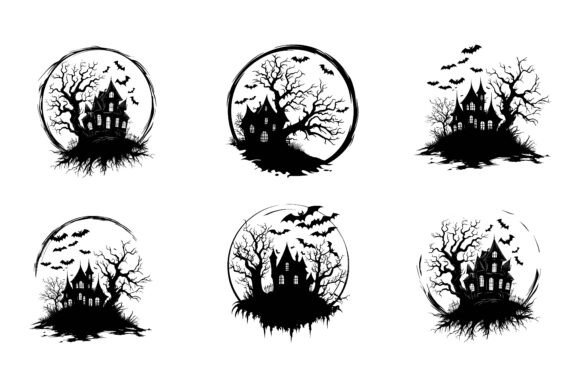
Why a Premium Tree Photo and AI EPS Illustration Set Changes Your Design Workflow
Finding the right visual element for a project often takes longer than the actual design work. You scroll through stock sites, download samples, test them in your layout, and realize the colors clash or the file structure is a tangled mess. This is where a well-crafted Tree Photo and illustration collection makes an immediate difference. Instead of settling for generic clip art or poorly organized vector files, you get artwork built with real-world usability in mind.
Our Special AI EPS Collections combine the organic appeal of tree imagery with the technical precision that modern design software demands. The files arrive ready to use but stay flexible enough to reshape entirely around your creative direction. Whether you work on branding, editorial layouts, UI screens, or printed materials, the difference between average stock assets and thoughtfully prepared ones shows up in every layer, every anchor point, and every export.
The Practical Magic of AI EPS Formats
Many designers learn the hard way that not all vector files are created equal. Some AI files crash mid-edit. Some EPS exports lose gradients or transparency information. A properly structured Tree Photo illustration set sidesteps these headaches because the source files are built cleanly from the start. AI (Adobe Illustrator) format preserves full editability with all live effects, swatches, and masking intact. EPS acts as a universal bridge, letting you pull the same artwork into older software, CorelDRAW, Affinity Designer, or even layout tools like InDesign and QuarkXPress without conversion glitches.
The real advantage surfaces when you need to resize. A detailed tree illustration with intricate branch structures and leaf clusters can be scaled from a mobile app icon at 32 pixels wide to a billboard graphic spanning several meters. Raster images, even high-resolution ones, eventually show pixelation or softening. Vector files stay mathematically sharp. That alone saves hours of re-exporting or re-sourcing artwork when project specs change last minute.
What Separates a Carefully Built Tree Illustration from the Rest
Tree imagery carries symbolic weight across almost every industry. Environmental organizations use tree silhouettes for logos. Tech companies borrow the branching metaphor for network diagrams. Wellness brands lean on the calming presence of foliage in their packaging. A Tree Photo or vector tree illustration needs to carry enough detail to feel authentic while staying stylized enough to integrate with diverse brand languages.
The best collections balance both poles. You might find a highly realistic oak silhouette paired with a minimalist geometric pine, or a watercolor-style maple alongside a clean line-art sapling. When the files are organized with properly named layers and grouped objects, you can isolate a single leaf, tweak the trunk curvature, or recolor the entire canopy in seconds rather than minutes. This level of control matters when a client asks for "the same tree, but make it warmer and more approachable" at 4:45 PM on a Friday.
Layer Structure That Respects Your Time
Open a poorly constructed vector file and you will find hundreds of unnamed paths, ungrouped elements scattered across layers, and clipping masks nested three levels deep for no apparent reason. Now imagine trying to animate a tree swaying in the wind using that mess. A neatly organized file structure treats every major component as its own labeled group — trunk, primary branches, secondary branches, leaf clusters, shadows, highlights. This makes motion graphics work, selective styling, and even conversion to SVG code for web use dramatically smoother.
Our collection emphasizes this kind of practical organization. You spend less time reverse-engineering someone else's chaotic artboard and more time actually designing. For a Tree Photo-based composite or a mixed-media layout where photography meets illustration, having clean vector elements that slide naturally into your existing layer stack keeps the creative momentum going.
Cross-Platform Compatibility Without the Usual Friction
Design teams rarely work on identical hardware or software. A freelancer might deliver work from a Mac running the latest Creative Cloud, while the in-house team opens those same files on Windows machines with slightly older Illustrator versions. The collection explicitly supports both Mac and Windows users, which means font outlines are expanded, effects that behave differently across platforms are flattened or preserved in a stable format, and color profiles are set to avoid the dreaded shift when moving between operating systems.
JPG previews bundled with the package give you quick visual reference without needing to open heavy vector files. This might sound like a minor convenience, but when you are searching through dozens of tree variations for the right silhouette, thumbnail browsing accelerates your selection process considerably. You can drag folder contents into a moodboard, share quick previews with stakeholders, and only open the full editable files once you have narrowed down the candidates.
Print, Web, and Everything in Between
Modern design projects rarely live in a single medium. A brand identity built around a distinctive tree mark might appear on business cards, social media avatars, website headers, merchandise tags, and environmental signage. Each output has different resolution, color space, and format requirements. Vector source files handle this multiplicity gracefully.
For print, you can set CMYK values directly in the AI file and export at 300 DPI or higher without quality loss. For web use, you can generate crisp SVG code, export PNGs at any pixel dimension, or pull elements into a sprite sheet for an icon system. App interfaces benefit from the same scalability, especially now that high-DPI screens are standard across mobile devices. A single well-built Tree Photo illustration or vector tree icon can serve all these channels without rework.
Infographics and Data Visualization
Tree diagrams appear in countless infographic contexts — organizational charts, decision trees, phylogenetic trees in science communication, and branching flowcharts in business presentations. Using a stylized tree illustration as the structural backbone for a data visualization adds visual warmth that sterile geometric boxes cannot match. Because the collection files are fully editable, you can graft data nodes onto branches, color-code leaf clusters by category, and subtly adjust the visual weight of different tree sections to reflect your data hierarchy.
This flexibility extends to symbol creation. Designers building icon families or UI component libraries can extract individual elements from the tree illustrations and repurpose them. A single leaf becomes a button indicator. A simplified trunk becomes a progress bar. A canopy silhouette becomes a loading spinner background. The more granular the source file organization, the more creative these derivations become.
Editing Freedom Without Design Compromise
Color customization deserves special attention because it is often where generic stock files fall apart. Many vector packs ship with flat, uncustomizable swatches using poorly chosen global colors that break when you attempt palette swaps. The illustrations in this collection are structured so you can change the entire color scheme of a tree illustration in just a few clicks. Want an autumnal orange canopy instead of summer green? Select the leaf group, adjust the fill, and every leaf updates simultaneously. Need a monochromatic line-art version for a formal report cover? Strip the fills, keep the strokes, and you are done.
This editing ease also means you can modify the actual shapes. Pull anchor points to give a tree a more windswept posture. Shorten the trunk for a bonsai aesthetic. Combine elements from two different trees to create a unique hybrid that perfectly matches your composition. The collection respects your creative autonomy instead of locking you into static, pre-baked visuals.
Consistency Across Sets and Projects
When you build a long-term design system — whether for a single brand or a recurring publication — visual consistency becomes paramount. Using trees from disparate sources often results in subtle style clashes that undermine the polished feel of a finished product. One tree looks too cartoony next to a more realistic one. Another has a different stroke weight or a conflicting approach to shading.
A unified collection solves this by maintaining consistent detailing standards, line weights, and color logic across every illustration. That consistency means you can confidently mix and match elements from different files within the set, knowing they will look like they belong together. For editorial designers laying out a magazine spread or environmental graphics spanning multiple rooms, this cohesion is quietly invaluable.
How a Quality Tree Photo Resource Fits Into Your Daily Toolkit
Photographers and composite artists often lean on Tree Photo assets as foundational elements in larger scenes. A sharp, well-lit tree photograph can anchor a fantasy landscape, serve as a background element for portrait work, or provide texture reference for 3D modeling. The JPG files included in the collection give you immediate access to photographic tree imagery that pairs with the vector content, creating opportunities for mixed-media designs where illustrated foliage intertwines with photographic trunks, or where vector silhouettes frame photographic landscapes.
Architects and landscape designers also benefit from ready-to-use tree representations for site plans, elevations, and client presentations. Being able to place, scale, and recolor tree symbols quickly speeds up the visualization process without sacrificing professional polish. The organized file structure means you can even batch-replace tree styles across a multi-page document if the project direction shifts.
Why the Details Matter More Than You Expect
Perfection in details is not marketing fluff — it is the practical difference between a tree that looks like a green lollipop and one that reads as a recognizable species. Subtle leaf variations, realistic branching angles, and natural trunk textures contribute to an illustration that holds up under scrutiny. This becomes especially important for projects where the tree is the hero element rather than a background detail. A logo mark, a book cover illustration, or a featured app icon places your tree front and center, and audiences unconsciously notice when proportions feel off or details are oversimplified.
The collection's commitment to detail also means the illustrations work well at multiple zoom levels. You can crop in tightly on a branch cluster for a texture pattern or pull back wide for a landscape composition. The fidelity holds across the range.
From Browsing to Buying: Making the Choice Efficiently
The search for the right visual resources eats into billable hours. Every designer knows the fatigue of scrolling through pages of mediocre options, downloading test files, and making compromises. A curated, well-documented collection shortens that search dramatically. You get a cohesive set of tree illustrations and Tree Photo assets that were built to solve real design problems rather than to fill out a marketplace catalog.
When you factor in the time saved on file cleanup, color adjustment, and cross-format export wrangling, the value proposition becomes clear. This is not just about acquiring images — it is about equipping your workflow with reliable, editable, and consistently high-quality building blocks that adapt to your needs rather than forcing you to adapt to their limitations.
The files are ready. The layers are named. The formats are covered. You can start pulling them into your active projects immediately, whether you are designing on a Mac, collaborating with a team on Windows, or preparing deliverables for print, web, mobile, or data visualization. That kind of turnkey readiness is rare and, once experienced, hard to work without.